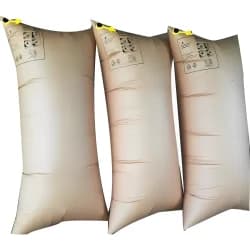
Dunnage Bag
Inflatable void-fill systems to prevent cargo movement in containers and ships.
Product Overview
Inflatable void-fill systems to prevent cargo movement in containers and ships.
Key Highlights
- Customized sizes available
- Suitable for export and domestic transport
- Heavy-duty industrial use
- Designed for warehouse and forklift handling
- Available for Mumbai and nearby industrial areas
Variants & Specifications
Explore our standard range of dunnage bag configurations. We manufacture variants tailored to load distributions, sizes, and handling methods.
Air Systems
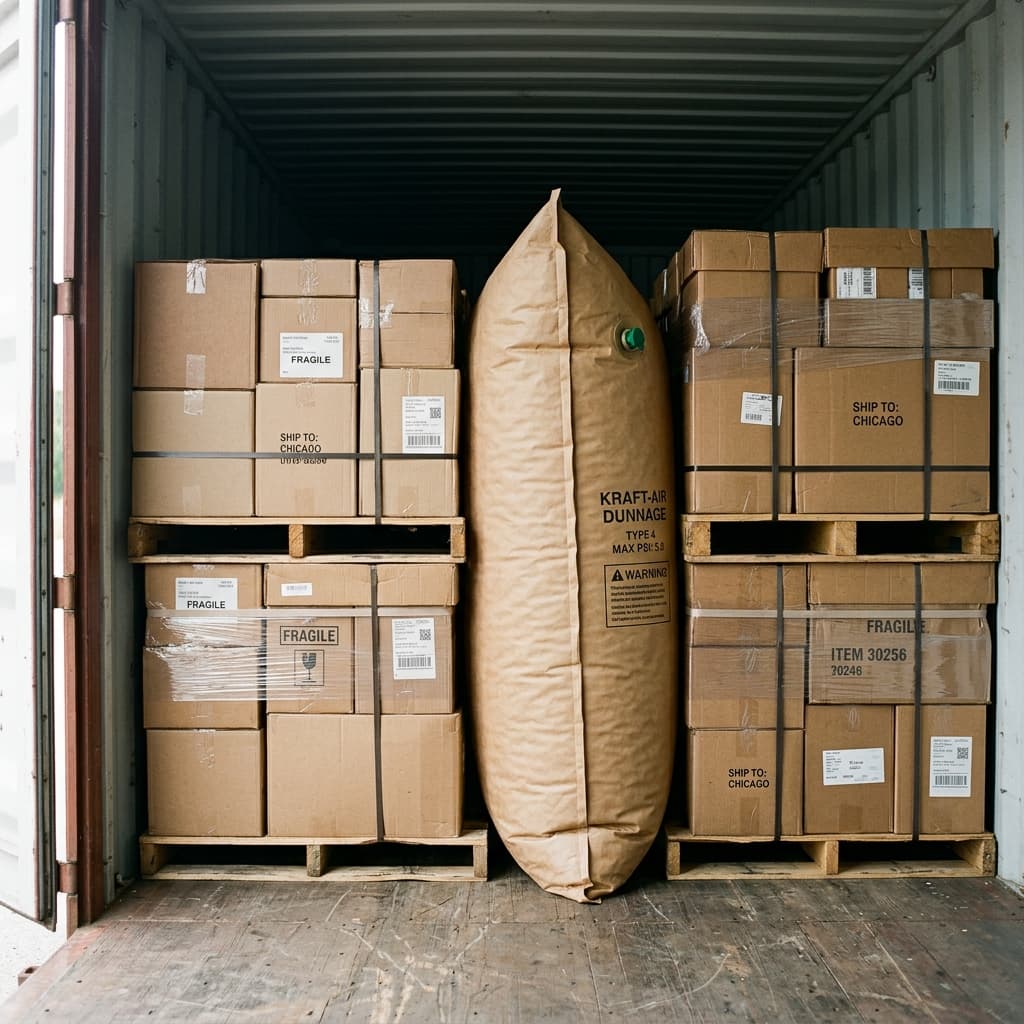
Air Dunnage Bags
Load Stabilizer
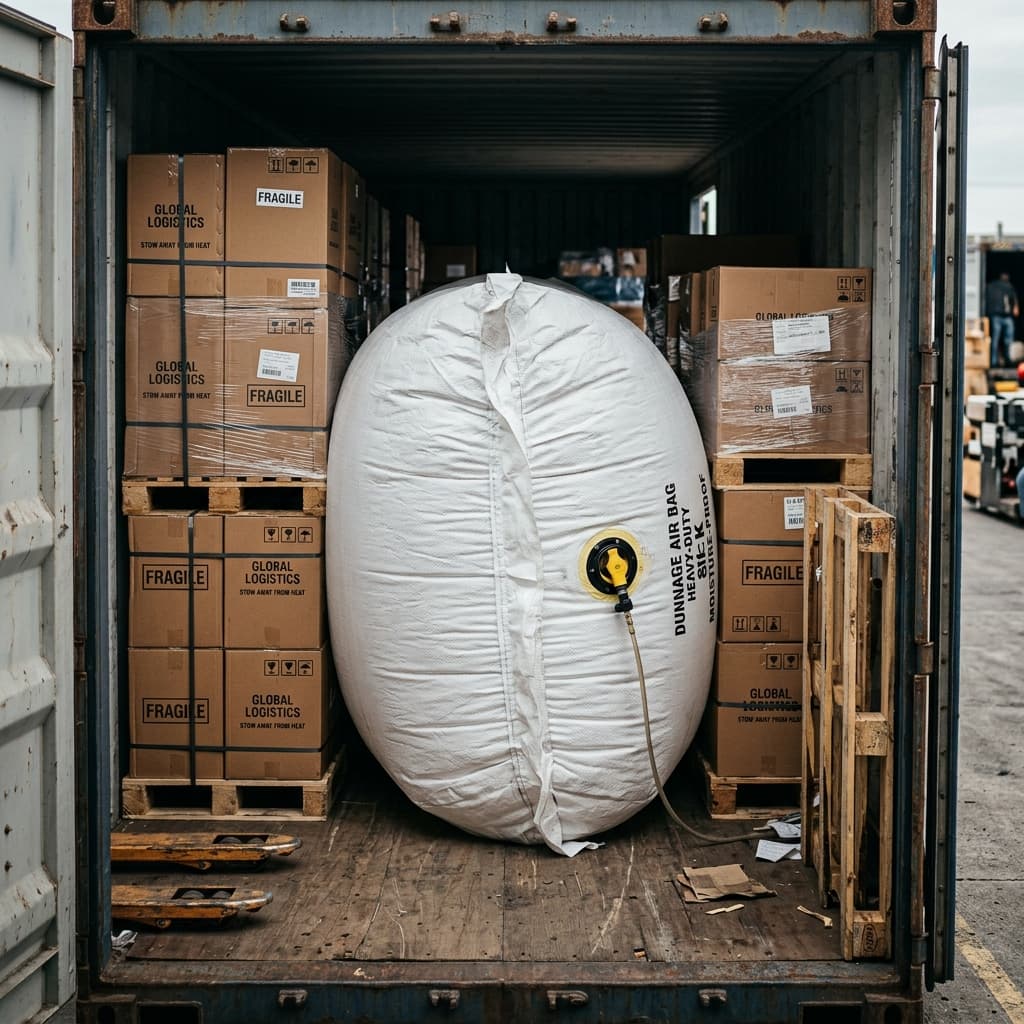
Polywoven Dunnage Bag
Moisture-Proof Support
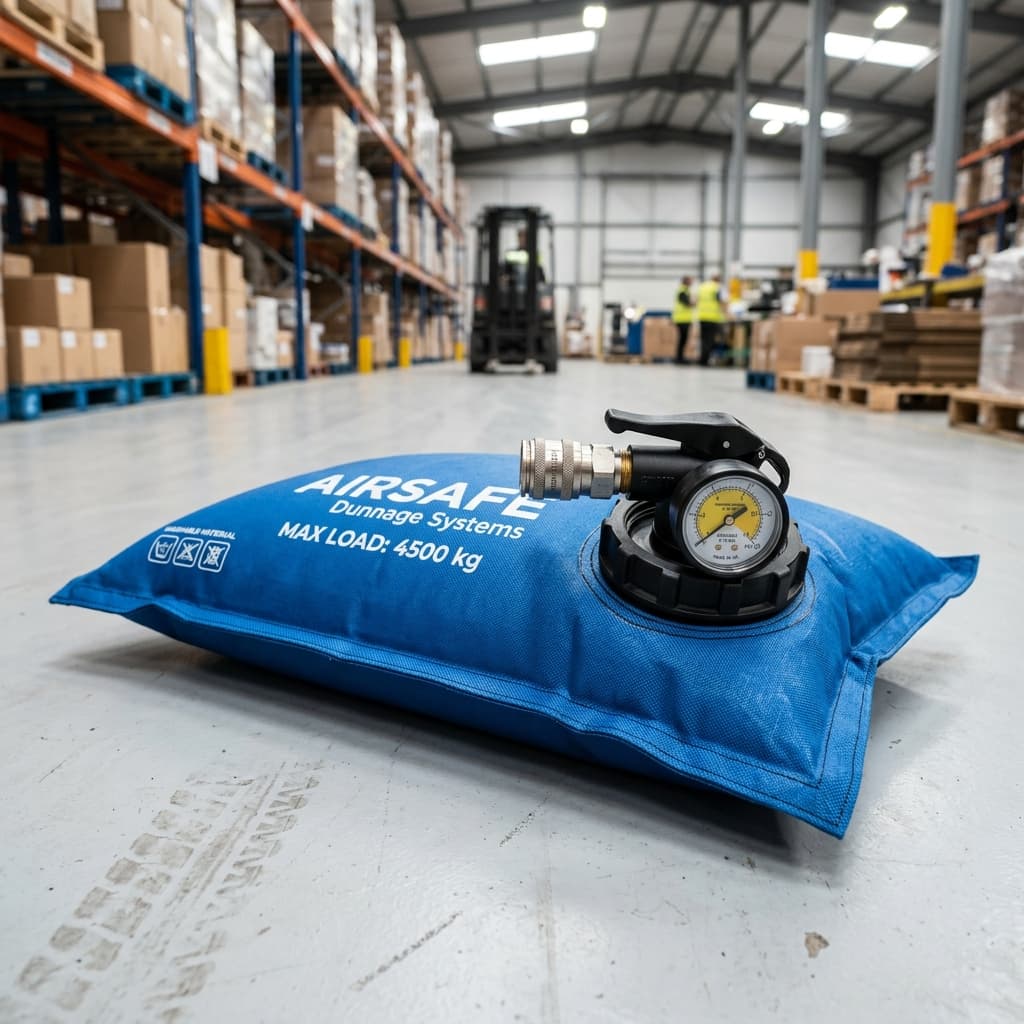
Reusable Air Bag
Internal Logistics Loop
Deep-Dive Analysis
Dunnage Bag Engineering & Operational Value
FAQ Help Center
Frequently Asked Questions
Q: What is the price of industrial dunnage bags in Mumbai and Pune?
The price of dunnage bags depends on the bag size (e.g., 90x120cm, 90x180cm), material (polywoven vs. kraft paper), AAR level rating, and order volume. Since we supply standard and custom-sized air bags, please contact Europack for a custom quote based on your requirements.
Q: What is a dunnage bag, and how does it secure cargo?
A dunnage bag is an inflatable air bag placed in the voids between cargo units. Once inflated with compressed air, it fills the empty space and applies pressure to keep the cargo secure against the container walls.
Q: What is the difference between polywoven and kraft paper dunnage bags?
Polywoven bags are made of woven polypropylene, making them waterproof, tear-resistant, and reusable. Kraft paper bags use multi-ply paper layers, offering stiffness and friction, and are used for dry cartoned cargo.
Q: How do I choose the correct dunnage bag size for my container?
The bag width should match the void width (typically 20cm to 40cm), and the bag height should cover about 70-80% of the cargo height. Our engineering team can help calculate the correct size based on your loading plan.
Q: What are AAR levels, and why do they matter for air dunnage bags?
Association of American Railroads (AAR) levels (1 to 5) indicate the bag's performance and burst strength. Higher levels feature reinforced walls and are rated for heavier rail cargo and multi-ton shipping container setups.
Q: Can dunnage bags be reused?
Yes. Our polywoven dunnage bags feature high-flow, quick-release valves that allow them to be deflated, folded, and reused for multiple shipping cycles, depending on handling conditions.
Q: What equipment is needed to inflate dunnage bags?
You need an air compressor and a specialized inflation gun that locks onto the bag's valve. Our fast-inflation guns use venturi air technology to inflate bags in seconds.
Q: Can dunnage bags be placed next to sharp cargo edges?
Inflatable bags should not contact sharp edges, bolts, or rough wood splinters. Before inflation, pad sharp edges with EPE foam or corrugated sheets to prevent punctures.
Q: What is the maximum void width a dunnage bag can fill?
A standard dunnage bag is designed to fill voids up to 30cm to 40cm wide. For wider voids, we recommend adjusting the loading plan or using cargo dividers to prevent over-inflation and bag failure.
Q: Do you supply inflation guns and air compressors?
Yes. Europack supplies a complete cargo-securing range, including fast-inflation guns, air hoses, pressure gauges, and dunnage bags, providing a complete solution.
Start Your Custom Project
Contact Europack for customized packaging solutions based on your product size, weight, handling method and transit requirement.