ISPM-15 Heat Treatment & Fumigation Services
ISPM-15 compliant pest eradication for wood packaging.
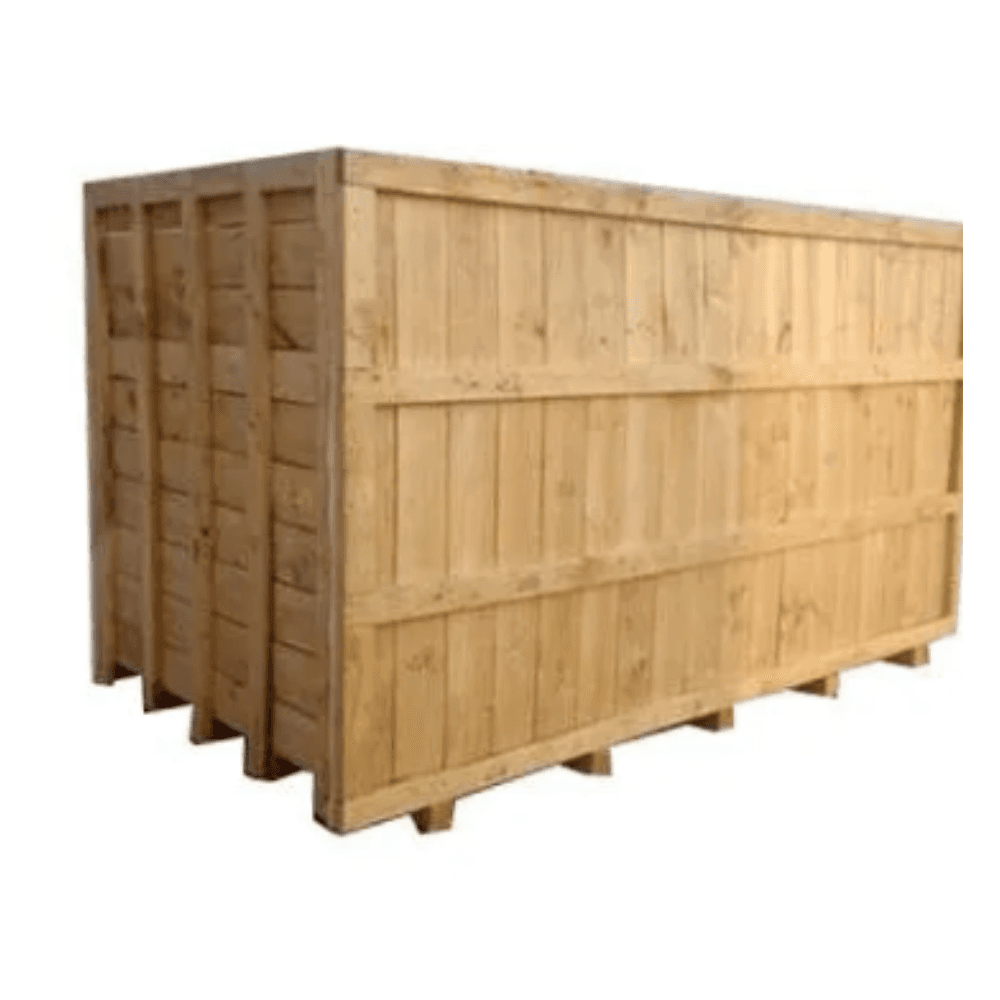
Service Overview
International phytosanitary regulations strictly mandate that all solid wood packaging be treated to prevent the spread of invasive pests. Our ISPM-15 compliant fumigation and heat treatment services ensure your cargo crosses international borders seamlessly, avoiding costly rejections or delays.
Key Benefits
- 100% compliance with global ISPM-15 import regulations.
- Eradicates all wood-boring insects and larvae.
- Official IPPC stamping and certification provided.
- Fast turnaround for urgent shipments.
Technical Features
- Controlled Heat Treatment (HT) chambers
- Methyl Bromide (MB) fumigation where required
- Detailed treatment certificates
- Pre-export compliance auditing
Need Immediate Assistance?
Our engineering team is ready to analyze your packaging requirements and provide a detailed structural blueprint.
What ISPM-15 actually requires
ISPM-15 applies to solid wood packaging — pallets, crates, boxes, skids, dunnage and bracing — moving across international borders. The standard does not care what the packaging looks like; it cares that the wood has been treated so it cannot carry wood-boring insects, and that the treatment is evidenced by a mark a customs inspector can read. Untreated or unmarked wood is refused at the border, and the cost of that is never the packaging: it is the re-export, the demurrage and the delivery date.
Heat treatment, and why it is the default
Heat treatment brings the core of the timber — not its surface — to 56 °C and holds it there for at least 30 continuous minutes. That is lethal to every wood-boring insect and larva the standard is written for, and it uses no chemicals, so there is nothing to off-gas and nothing a consignee has to handle. We run it in IPPC-registered kilns and stamp each treated piece with our own producer code. It is accepted everywhere ISPM-15 is in force, which is why it is what we run unless a destination specifically asks for something else.
Methyl bromide, and when it is still asked for
MB fumigation is the chemical alternative the standard allows, and we carry it out where a destination requires it. Fewer do each year — a number of importing countries have moved away from MB on environmental grounds, and a shipment marked MB can be queried where HT would have passed without comment. If your buyer or freight forwarder has specified MB, send us that instruction in writing and we will treat and mark to it. If nobody has specified it, heat treatment is the safer answer.
Reading the stamp
A compliant mark carries the IPPC wheat symbol, the country code, the registered producer code of the facility that did the treatment, and the treatment code — HT for heat treatment, MB for methyl bromide. That is the whole of it. There is no separate fee-bearing certificate that makes unmarked wood compliant, and a mark applied by anyone other than a registered facility is not compliant regardless of what it says.
What does not need treating
Plenty of packaging is outside the standard entirely, and treating it is money spent for nothing. Plywood, OSB, particleboard and other manufactured wood are exempt because the manufacturing process already destroys any pest. So are paper, honeycomb board, plastic and metal. If your cargo moves on plywood boxes or plastic pallets, you do not need this service — we will tell you so rather than quote it.
Paperwork, and when it has to exist
The treatment certificate ships with the consignment, and the timing matters more than people expect: the wood has to be treated and marked before the container is stuffed, not before it sails. Once the box is sealed, a missing stamp cannot be fixed at the port. We work to the stuffing date rather than a required-by date, and deliver direct to JNPT, Mundra, Chennai, Vizag and Kolkata where that is what the schedule needs.