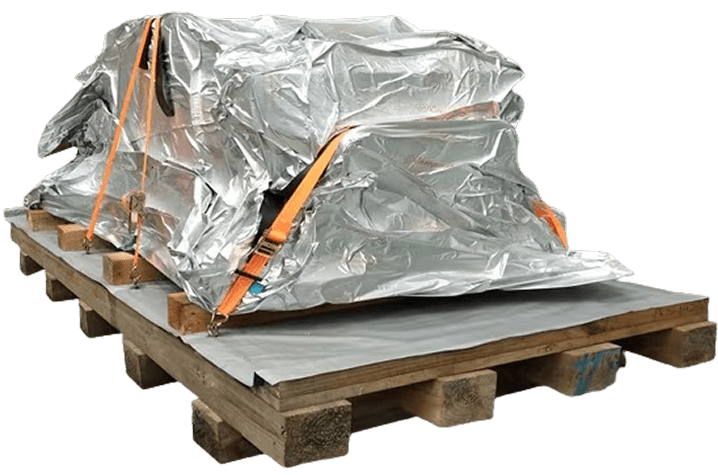
Vacuum Packaging
Hermetic moisture-proof packaging for humidity-sensitive electronics and precision parts.
Product Overview
Hermetic moisture-proof packaging for humidity-sensitive electronics and precision parts.
Key Highlights
- Customized sizes available
- Suitable for export and domestic transport
- Heavy-duty industrial use
- Designed for warehouse and forklift handling
- Available for Mumbai and nearby industrial areas
Variants & Specifications
Explore our standard range of vacuum packaging configurations. We manufacture variants tailored to load distributions, sizes, and handling methods.
Vacuum Systems
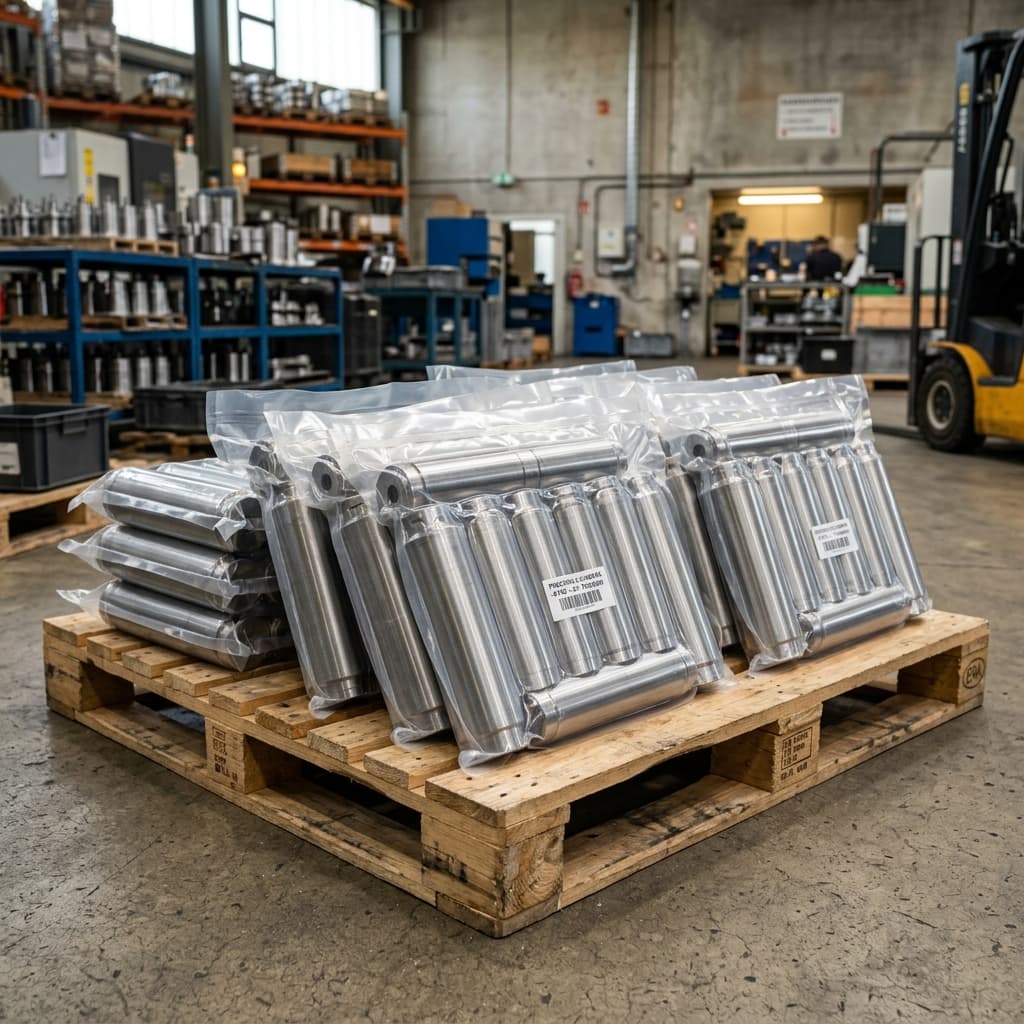
Multilayer Laminated with VCI Packaging + Nylon
Vacuum Packing
4 Layer Film
Vacuum Packing and Sealing
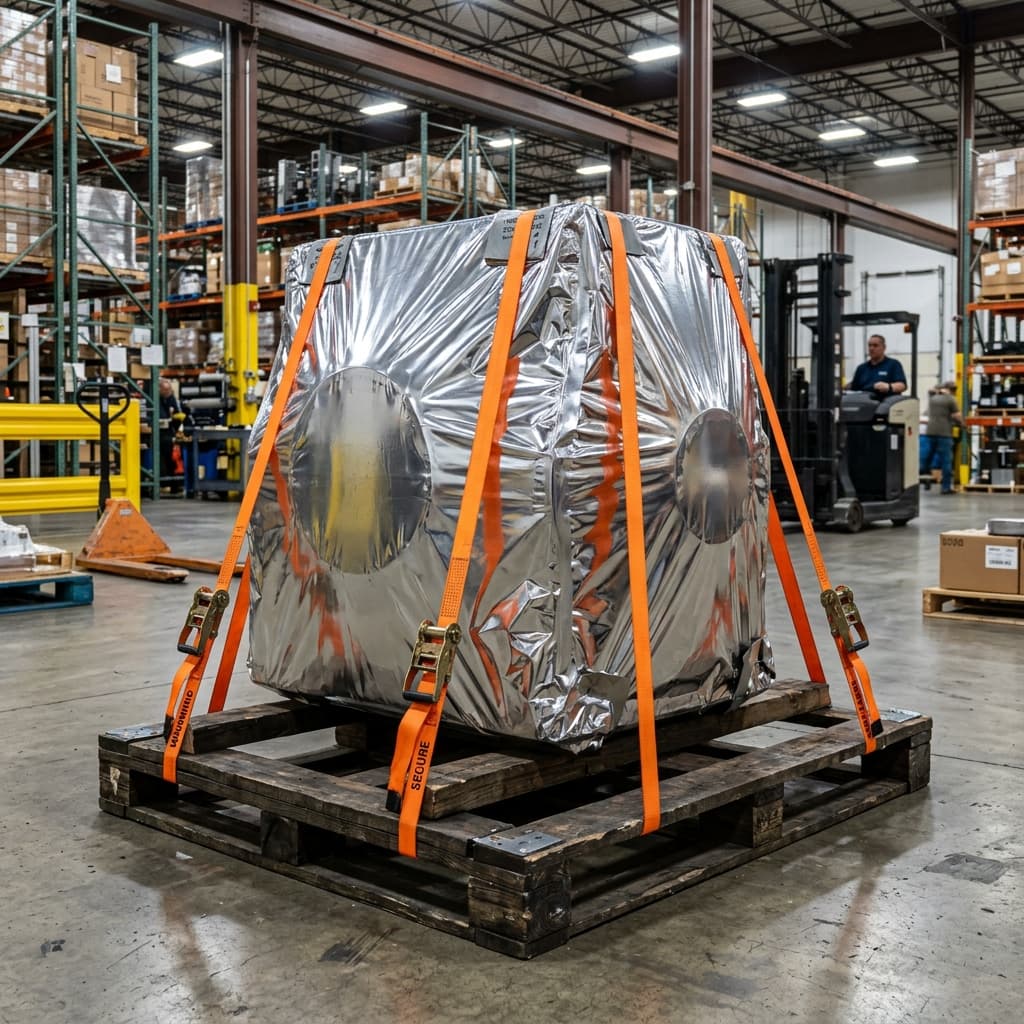
Finest Quality 4N Norms Vacuum Packing
Military & Industrial Spec
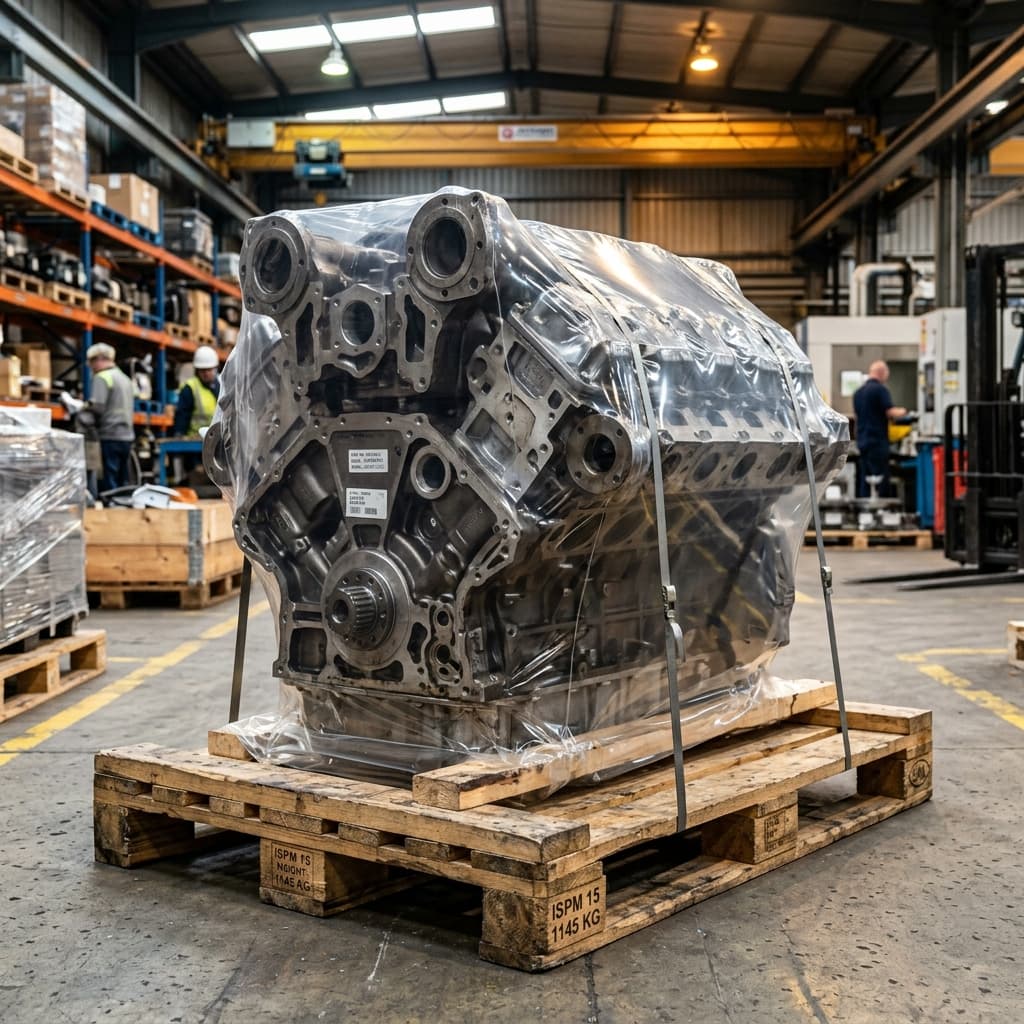
Vacuum packing for Odd Shape & Size Components with Sharp Edges
Vacuum Packing
Vacuum Packing for Prevention of Rusting Moisture & Product Deterioration
Vacuum Packing
Deep-Dive Analysis
Vacuum Packaging Engineering & Operational Value
FAQ Help Center
Frequently Asked Questions
Q: What is the price of industrial vacuum packaging services in Mumbai and Pune?
The price of vacuum packaging services depends on the machinery dimensions, type of barrier foil (e.g., 3-layer vs. 4-layer aluminum), quantity of desiccants, and whether on-site deployment is required. Since each project is custom-sized based on machinery specs, please contact Europack for a custom quote.
Q: What is aluminum barrier foil vacuum packing?
It is a multi-layer laminated film containing a layer of aluminum foil between polymer sheets. The machinery is placed inside, air is extracted, and the seams are heat-sealed, creating a dry, hermetic cocoon that protects the cargo from moisture.
Q: Why is vacuum packaging preferred over standard plastic wrapping?
Standard plastic wrapping (like LDPE) is semi-permeable and allows moisture to pass through over time. Vacuum packaging uses multi-layer barrier foils and extracts the air, creating a dry, hermetic seal that blocks moisture.
Q: How do you prevent sharp metal edges from puncturing the vacuum bag?
Before sealing, our teams pad all sharp corners, bolts, and edges with heavy-duty EPE foam or corrugated cardboard. This prevents the barrier foil from puncturing when the air is extracted.
Q: What are desiccants, and why are they placed inside the vacuum bag?
Desiccants are packets of silica gel or clay that absorb moisture. Placed inside the vacuum bag, they absorb any residual moisture trapped in the air or wood skid base, keeping the relative humidity below 40%.
Q: How long does a vacuum-sealed barrier bag protect cargo from rust?
When sealed with premium aluminum barrier foils and dry desiccants, vacuum packaging can protect metal cargo from rust and dust for 2 to 3 years in standard storage conditions.
Q: What is nitrogen purging, and when is it used?
Nitrogen purging is the process of extracting air from the bag and replacing it with dry nitrogen gas. It is used for delicate electronic panels and sensors to prevent corrosion and oxidation.
Q: Do you offer on-site vacuum packaging services at our factory?
Yes. Europack has mobile packaging teams equipped with tools, heat shrink guns, and vacuum pumps. We travel directly to your factory or project site in Pune, Mumbai, Thane, and Gujarat to perform on-site packaging.
Q: Is aluminum barrier foil recyclable?
Aluminum barrier foils are multi-layer laminates (combining PET, Aluminum, and PE) and are processed in specialized recycling facilities. We design our packaging to minimize waste and support sustainability.
Q: How do I verify if the vacuum seal has remained intact?
A properly vacuum-sealed package has a tight, form-fitting appearance around the cargo. We also install color-changing humidity indicator cards inside the bag, which can be viewed through a transparent window to verify conditions.
Start Your Custom Project
Contact Europack for customized packaging solutions based on your product size, weight, handling method and transit requirement.