Common Mistakes in Export Packaging – Avoid Costly Loss
The top 10 export packaging mistakes that cause cargo damage, customs delays, and insurance claim rejections. Learn how to avoid them.
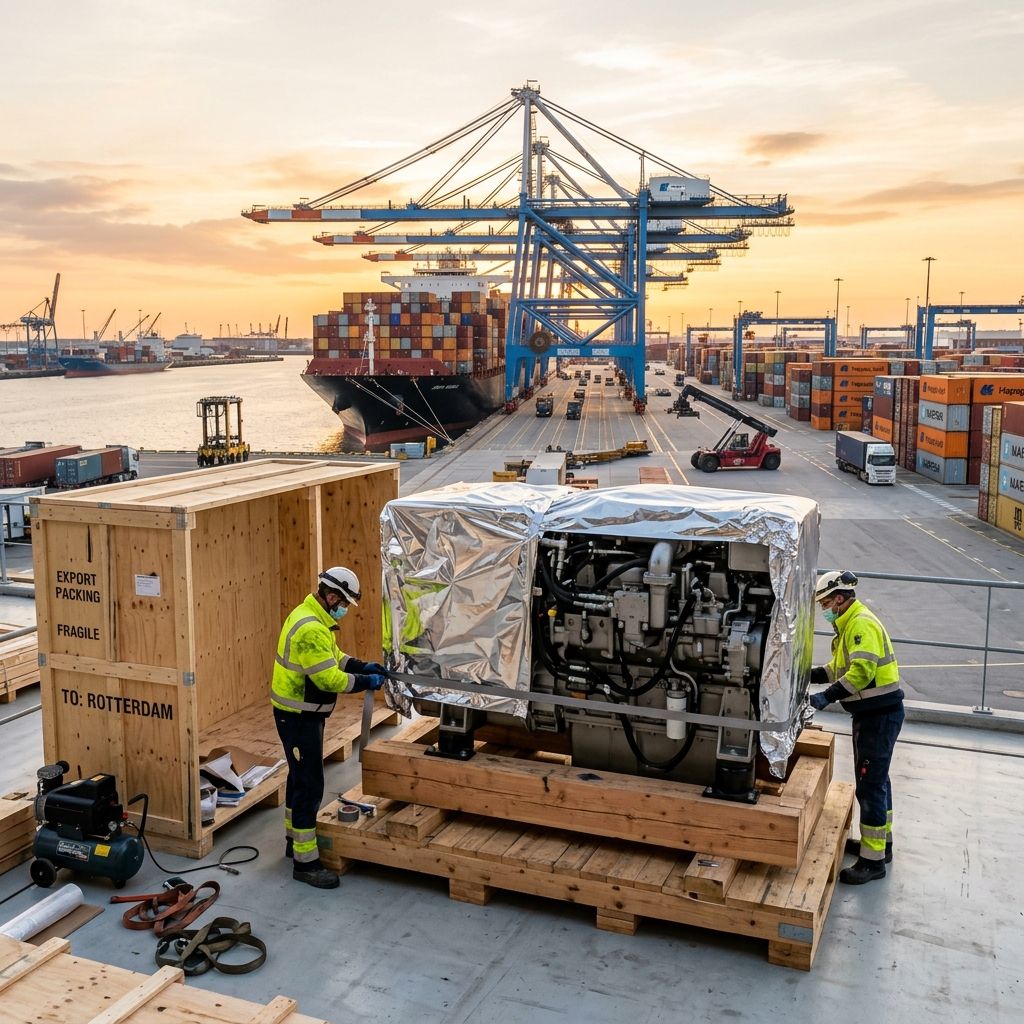
Export packaging mistakes cost Indian businesses crores of rupees annually in damaged goods, rejected insurance claims, customs fines, and lost customer relationships. Many of these mistakes are easily avoidable with proper knowledge and planning. Here are the 10 most common errors we have seen in our 30+ years of export packaging experience from Mumbai.
Top 10 Export Packaging Mistakes
1. Ignoring ISPM-15 Requirements
Using untreated wood packaging for international shipments is the most common and most costly mistake. Non-compliant shipments are rejected at the destination port, with all costs borne by the exporter.
2. Inadequate Moisture Protection
Failing to account for container rain and humidity during ocean transit. Metal components arrive corroded, electronic equipment fails from moisture damage, and packaging materials degrade.
3. Wrong Box Strength
Using 3-ply corrugated boxes for heavy items or long-distance shipping. Boxes collapse during transit, especially in Mumbai humid monsoon months when corrugated strength drops 30-50%.
4. Poor Center of Gravity Management
Not securing heavy items at the center of gravity. Top-heavy or unevenly loaded packages tip over during handling, causing damage to the product and danger to workers.
5. Insufficient Internal Securing
Products that move freely inside their packaging. Every centimeter of movement during transit becomes an impact force that accumulates over thousands of kilometers of transport.
6. No Photographic Documentation
Not photographing the packing process. When damage claims arise, insurance companies require evidence of proper packaging. Without photos, claims are often rejected.
7. Underestimating Stacking Loads
Not accounting for the weight of cargo stacked above in containers and warehouses. Bottom packages must support 3-5x their own weight.
8. Ignoring Destination Climate
Packaging designed for Mumbai conditions may be inadequate for extreme cold, extreme heat, or high altitude destinations. Temperature-sensitive products need climate-appropriate packaging.
9. Last-Minute Packaging
Rushing the packaging process under deadline pressure. This leads to shortcuts, missed steps, and substandard protection.
10. Using the Cheapest Supplier
Choosing a packaging supplier based solely on price. The ₹50 saved per pallet can cost ₹50,000 in cargo damage.
Europack expertise helps exporters avoid all of these pitfalls. Our systematic approach, documented processes, and 30+ years of experience ensure your exports arrive safely every time.