Euro Pallets vs Standard Pallets – Which One to Choose?
Detailed comparison of Euro pallets (EUR/EPAL) and standard Indian pallets. Dimensions, costs, load capacity, and which is best for your export and domestic needs.
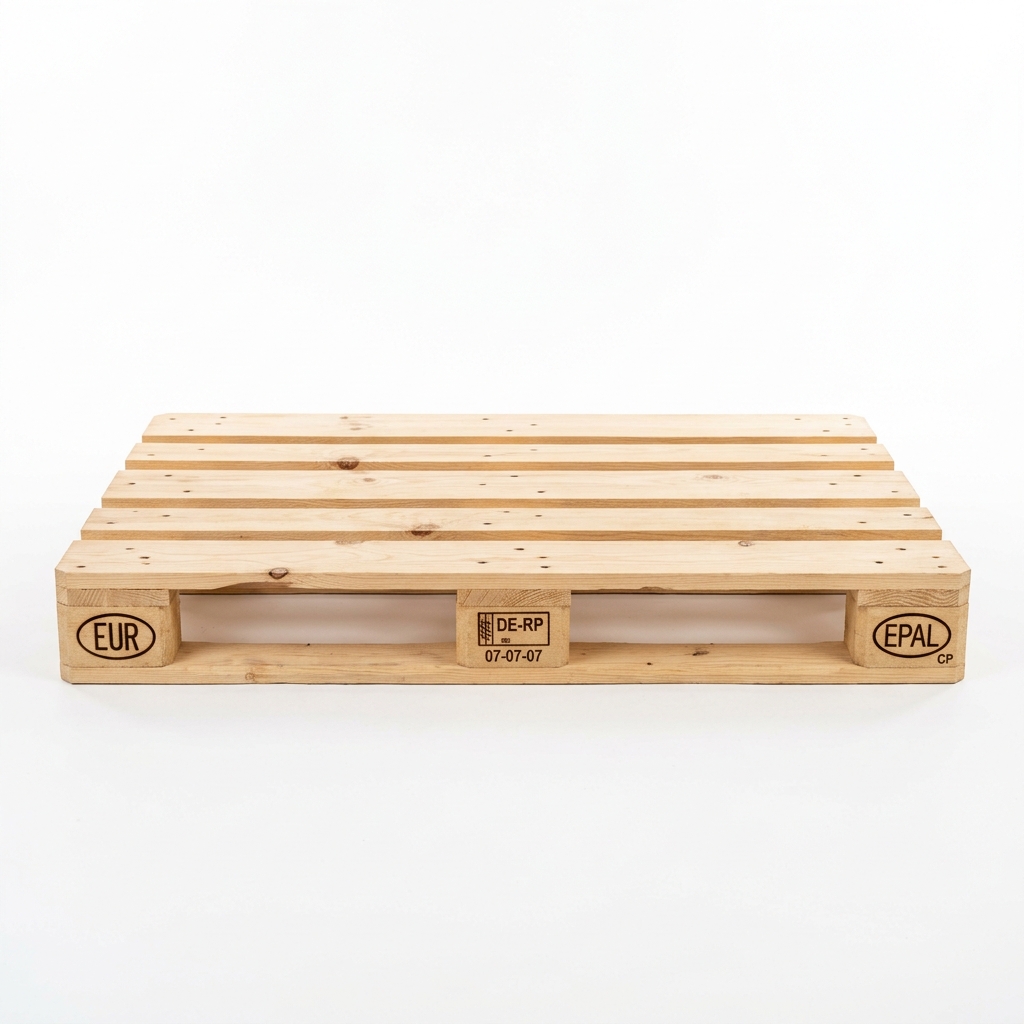
The debate between Euro pallets and standard pallets is one that every logistics manager in India faces at some point. With India's export market growing rapidly, understanding the differences between these pallet systems is critical for optimizing container loading, meeting destination country requirements, and controlling packaging costs. This guide provides a complete comparison to help you make the right choice.
Euro pallets, officially designated as EUR pallets and managed by the European Pallet Association (EPAL), are the dominant pallet standard across Europe. They measure 1200mm x 800mm and are built to extremely tight tolerances. Standard Indian pallets, on the other hand, come in various sizes but the most common is 1200mm x 1000mm, which aligns with the ISO standard used across Asia-Pacific markets.
Euro Pallet Specifications (EUR/EPAL)
The Euro pallet is one of the most precisely specified pallet designs in the world. Every dimension, timber grade, nail position, and quality characteristic is defined by the EPAL standard. This consistency is what makes Euro pallets so valuable – a pallet manufactured in Mumbai to EPAL standards will fit perfectly into racking systems, trucks, and handling equipment across all 30+ European countries.
Standard Indian/ISO Pallet Specifications
The most common standard pallet size used in India and across Asia-Pacific markets is 1200mm x 1000mm. This larger footprint provides more surface area for cargo and optimizes container loading for the 20-foot and 40-foot containers commonly used in Asian trade routes.
Key Differences at a Glance
The fundamental differences between Euro and standard pallets extend beyond just size. Euro pallets are a branded, quality-controlled product with consistent specifications worldwide. Standard pallets offer more flexibility in design but lack the quality guarantee that comes with EPAL certification.
For container loading optimization, the choice matters significantly. A standard 40-foot container can fit 21 Euro pallets (1200x800mm) arranged efficiently, or approximately 20 ISO pallets (1200x1000mm). The Euro pallet's smaller width means it actually provides more efficient container utilization when shipping to European markets, as it was specifically designed to fit European truck dimensions (2400mm internal width = exactly 2 Euro pallets side by side).
When to Choose Euro Pallets
When to Choose Standard Pallets
Cost Comparison
Euro pallets manufactured in India typically cost ₹700 to ₹1,500 per unit, compared to ₹350 to ₹950 for standard pallets. The premium reflects the higher quality timber requirements, precise manufacturing tolerances, and EPAL licensing fees. However, Euro pallets hold their value better and can be resold in Europe's extensive pallet pool system, potentially recovering 30-50% of the original cost.
For exporters shipping regular volumes to Europe, the investment in Euro pallets often pays for itself through smoother customs clearance, fewer pallet rejections at the destination, and the professional image they convey. For domestic-only operations, standard pallets offer significantly better value.
Europack: Your Partner for Both Standards
Europack manufactures both Euro pallets and standard pallets at our Navi Mumbai facility. We are one of the few manufacturers in India with the capability to produce EPAL-certified pallets that meet the exacting European standards. Our quality control team ensures every pallet – whether Euro or standard – meets the specifications agreed with our clients.