Export Packaging: Why Wooden Pallets Are Essential
Discover why wooden pallets remain the backbone of international export packaging. Benefits, compliance requirements, and cost advantages over alternative materials.
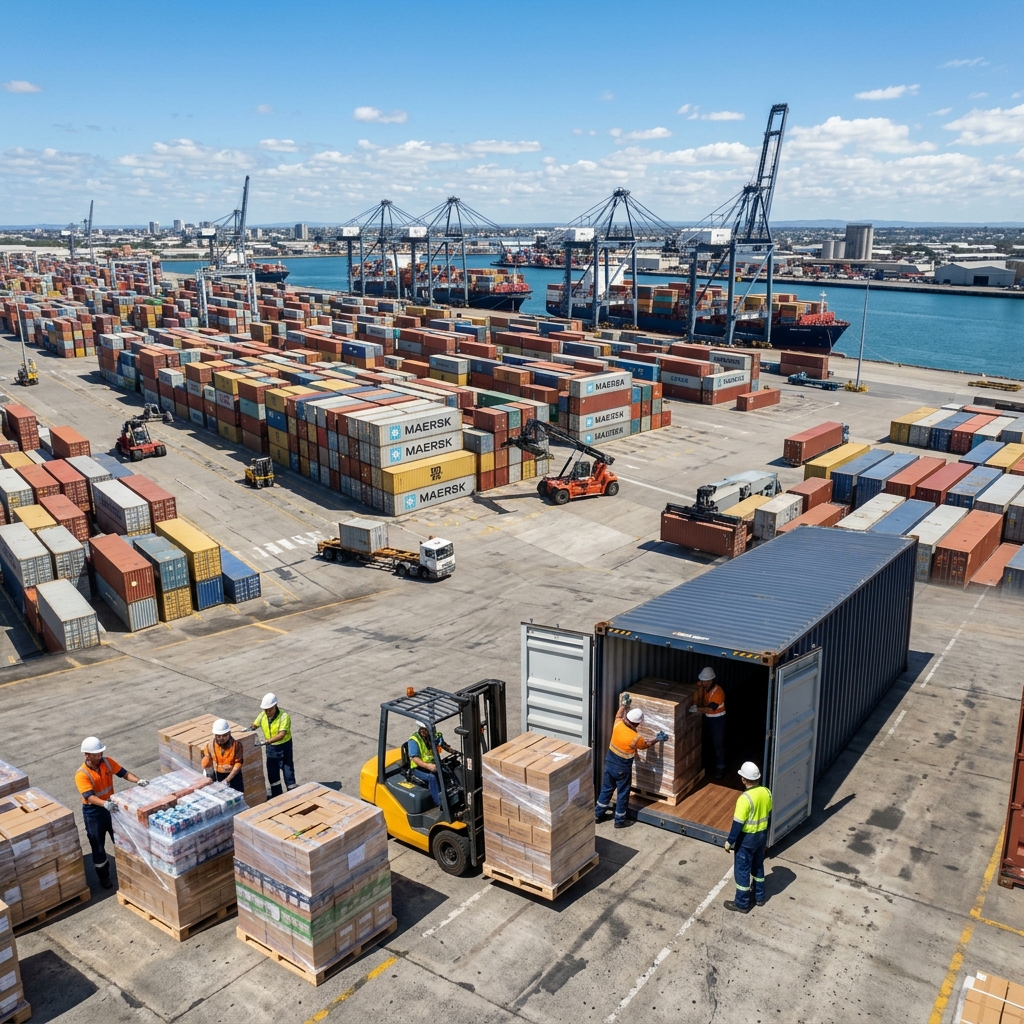
Despite the rise of plastic, metal, and composite pallets, wooden pallets continue to dominate global export logistics. Over 90% of international cargo moves on wooden pallets at some point during transit. This is not mere tradition – it is because wooden pallets offer an unmatched combination of strength, cost-effectiveness, repairability, and universal availability that no alternative material has been able to match.
For Indian exporters shipping from Mumbai, Nhava Sheva, and other ports, wooden pallets are not just a preference but often a necessity. They provide the structural foundation that protects your goods through the rigors of container loading, ocean transit, port handling, and last-mile delivery. This article explains why wooden pallets remain essential for export packaging.
The Unmatched Advantages of Wooden Pallets for Export
1. Superior Strength-to-Cost Ratio
No other pallet material comes close to wood in terms of load-bearing capacity per rupee spent. A standard pine export pallet costing ₹500 can safely support 1,200 kg of cargo during handling and transit. The equivalent capacity in plastic would cost ₹3,000 to ₹5,000, and in aluminum, upwards of ₹8,000. For one-way export shipments where the pallet will not be returned, this cost advantage is decisive.
2. Universal Availability and Repairability
Wooden pallets can be sourced, manufactured, and repaired virtually anywhere in the world. If a pallet is damaged during transit, a few replacement boards and nails can restore it to full functionality. This is impossible with molded plastic or metal pallets, which must be completely replaced when damaged. For exporters, this means less risk and lower total cost of ownership.
3. Natural Friction Properties
Wood has naturally high friction coefficients that prevent cargo from sliding during handling and transit. This is a critical safety advantage during ocean transport where container movement can cause significant lateral forces on cargo. Plastic pallets, with their smooth surfaces, often require additional anti-slip mats or wrapping to prevent cargo movement.
4. Customization Flexibility
Wood can be cut, shaped, and assembled into virtually any pallet configuration. Whether you need a 400x400mm miniature pallet for electronics or a 3000x2000mm machinery base, a wooden pallet can be custom-built to exact specifications within days. Plastic and metal pallets require expensive molds or dies, making custom sizes impractical for small to medium orders.
5. Environmental Sustainability
Contrary to common misconception, wooden pallets are one of the most environmentally sustainable packaging options. Wood is renewable, biodegradable, and has a significantly lower carbon footprint than plastic or metal pallets. In India, pallet timber is sourced from managed plantations, not natural forests. Damaged wooden pallets can be recycled into mulch, biomass fuel, or new wood products.
Export Compliance: Getting It Right
Using wooden pallets for export requires ISPM-15 compliance. All solid wood packaging must be heat-treated (HT) and marked with the official IPPC stamp. Non-compliance can result in shipment rejection, quarantine, or destruction at the destination port. Europack provides fully compliant, ISPM-15 certified pallets with all necessary documentation for every export order.
Wooden Pallets vs Alternatives for Export
Europack: Your Export Pallet Partner
Europack has been supplying export pallets from Mumbai since 1993. We understand the unique requirements of Indian exporters including tight production schedules, variable container booking timelines, and the need for documentation that satisfies customs authorities at even the most stringent destination ports. Our complete export pallet service includes ISPM-15 certified heat treatment, custom size engineering, competitive bulk pricing, and reliable delivery to any location in Mumbai and Maharashtra.