What is ISPM-15 Certification for Export Pallets? Complete Guide
Everything you need to know about ISPM-15 heat treatment certification for wooden packaging. Compliance requirements, treatment process, and how to avoid export rejections.
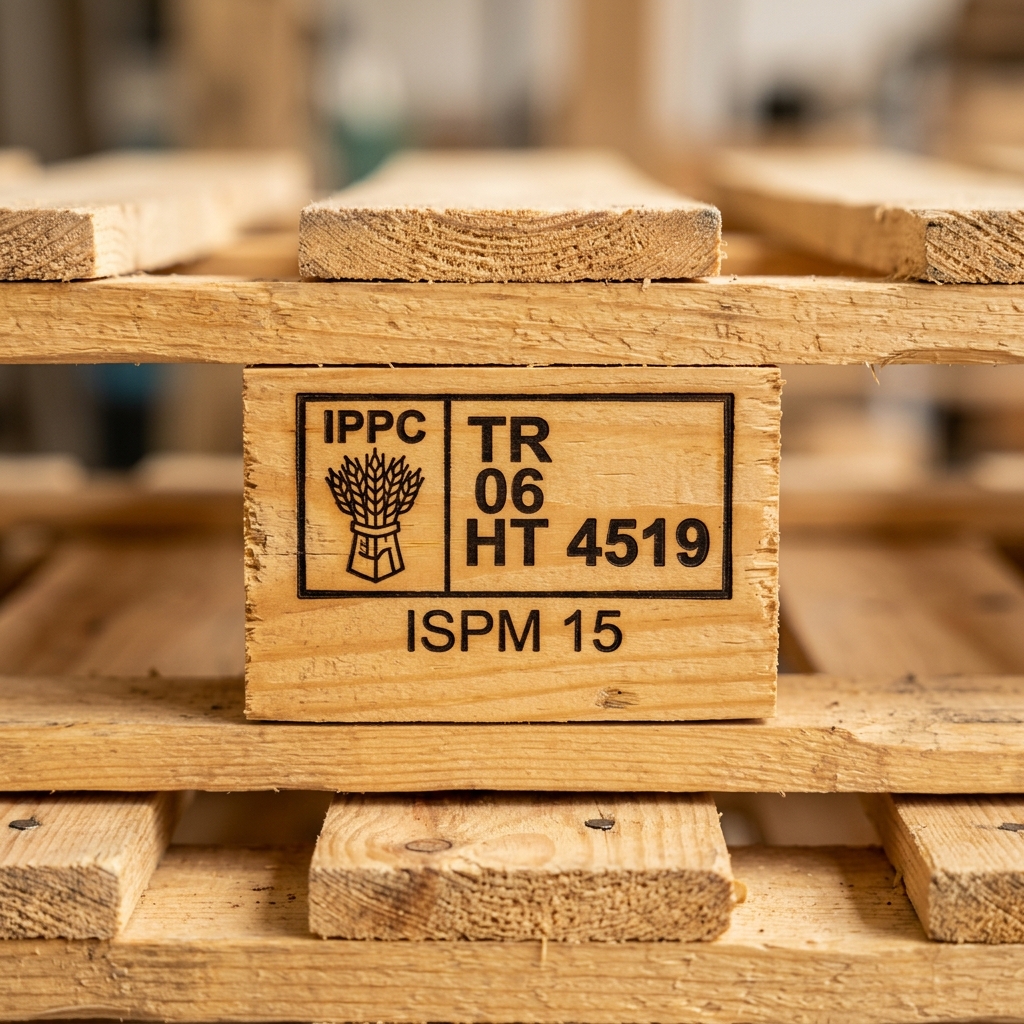
ISPM-15 certification is the single most important compliance requirement for any business exporting goods using wooden packaging materials. If your wooden pallets, crates, or dunnage do not carry the official ISPM-15 mark, your shipment can be rejected, quarantined, or destroyed at the destination port – and you will bear all the costs. This guide explains everything you need to know about ISPM-15 compliance.
The International Standards for Phytosanitary Measures No. 15 (ISPM-15) was developed by the International Plant Protection Convention (IPPC), a treaty organization under the United Nations Food and Agriculture Organization (FAO). It was first adopted in 2002 and has since been implemented by over 180 countries worldwide. The standard exists for one critical reason: to prevent the international spread of wood-boring insects and plant diseases through solid wood packaging.
Why Does ISPM-15 Exist?
Wood is a natural material that can harbor insects, larvae, fungi, and other organisms. When untreated wood packaging travels across borders, these organisms can infest local forests and ecosystems in the destination country, potentially causing catastrophic environmental damage. The Asian Longhorned Beetle, for example, was introduced to North America through untreated Chinese packaging wood and has caused billions of dollars in damage to hardwood forests.
ISPM-15 eliminates this risk by requiring all wood packaging materials (WPM) used in international trade to undergo an approved treatment process that kills any living organisms within the wood. The standard applies to all solid wood packaging including pallets, crates, boxes, dunnage, and even cable drums – essentially any wood thicker than 6mm used to support, protect, or carry cargo.
What Materials Require ISPM-15 Treatment?
Materials that are EXEMPT from ISPM-15 include plywood, particle board, MDF, oriented strand board (OSB), and other processed/manufactured wood products. These materials have already undergone sufficient processing (heat and pressure) to eliminate any pest risk. This is why many exporters choose plywood boxes for sensitive electronics – they avoid the ISPM-15 compliance overhead.
Approved Treatment Methods
Heat Treatment (HT) – Recommended
Heat treatment involves heating the wood until its core temperature reaches a minimum of 56°C for at least 30 continuous minutes. This temperature is lethal to all known wood-boring insects, larvae, and fungi. The process is conducted in sealed, temperature-monitored kilns with calibrated sensors that verify core temperature throughout the batch.
At Europack, we exclusively use heat treatment. Our facility in Navi Mumbai operates industrial-grade kilns that can process over 500 pallets per cycle. Every batch is documented with time-temperature charts that we retain for audit purposes. Heat treatment is the preferred method globally because it is chemical-free, environmentally safe, and actually improves the wood by reducing moisture content.
Methyl Bromide (MB) – Being Phased Out
Methyl bromide fumigation was historically an accepted alternative, but it is being phased out worldwide due to its severe environmental impact – it is a powerful ozone-depleting substance. The European Union, Canada, and many other countries no longer accept MB-treated wood. We strongly advise against using MB-treated pallets as they may be rejected at an increasing number of destination ports.
Dielectric Heating (DH)
Dielectric heating uses microwave or radio-frequency energy to achieve the required core temperature. It is faster than conventional heat treatment but requires specialized equipment. This method is approved under ISPM-15 but is less commonly used in India due to equipment costs.
The ISPM-15 Mark: How to Read It
Every compliant piece of wood packaging must carry a permanently applied mark (burned or painted with a non-transferable ink). The mark contains four key elements that identify the origin, producer, and treatment method of the wood.
Consequences of Non-Compliance
The penalties for shipping non-compliant wood packaging are severe and can be financially devastating. Destination country authorities have the power to refuse entry to the entire shipment, quarantine your goods indefinitely at your expense, order the destruction of non-compliant packaging, impose fines on both the exporter and importer, and blacklist repeat offenders from future shipments.
In our 30 years of experience, we have seen exporters lose lakhs of rupees from a single non-compliant shipment. The cost of ISPM-15 compliance is minimal compared to the potential losses from rejection. Europack has maintained a 100% compliance record across millions of pallets shipped.