Seaworthy Packing vs Air Packaging – Key Differences
Compare packaging requirements for sea freight and air freight. Different hazards, materials, and cost considerations for each transport mode.
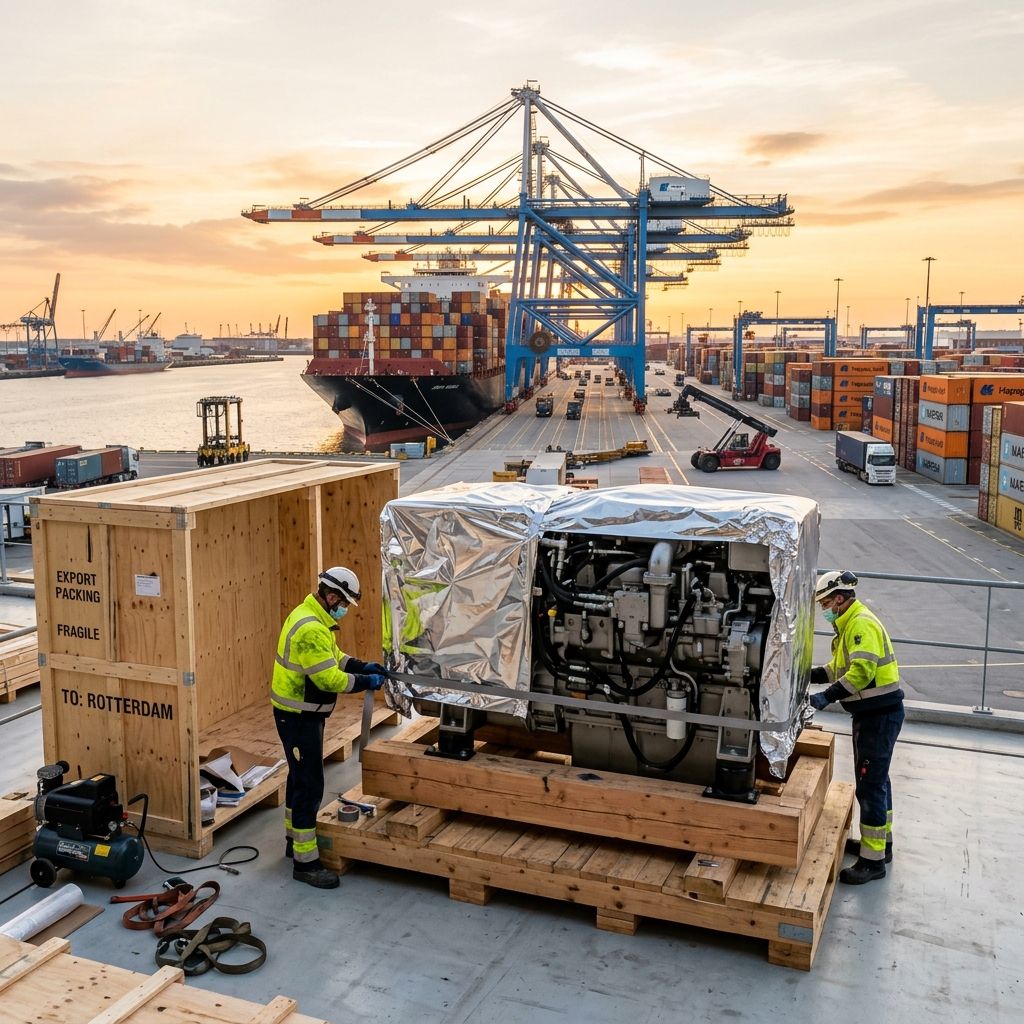
Sea freight and air freight present fundamentally different challenges to your packaging. Sea freight involves moisture, salt, long duration, and rough handling. Air freight involves pressure changes, vibration, weight restrictions, and strict safety regulations. Choosing the right packaging for your transport mode saves money and prevents damage.
Sea Freight Packaging Challenges
Air Freight Packaging Challenges
Packaging Material Differences
For sea freight, use heavy-duty materials: 5-7 ply corrugated, wooden crates with ISPM-15 treatment, aluminum barrier bags, VCI protection, and abundant desiccants. Weight is less critical since sea freight is charged by volume. For air freight, minimize weight: use 3-ply corrugated or foam packaging, avoid wood where possible (or use plywood which is ISPM-15 exempt), use lightweight PE bags instead of aluminum foil, and eliminate any unnecessary materials.
Cost Optimization Strategy
For sea freight, invest in protection (materials are cheap relative to sea freight costs). For air freight, invest in weight reduction (every kilogram saved reduces freight cost by ₹150-300). Europack designs packaging specifically optimized for your transport mode, ensuring maximum protection at minimum cost.