Shrink Wrapping vs Stretch Wrapping – Complete Guide
Compare shrink wrapping and stretch wrapping for industrial packaging. Methods, costs, applications, and which protects your cargo better.
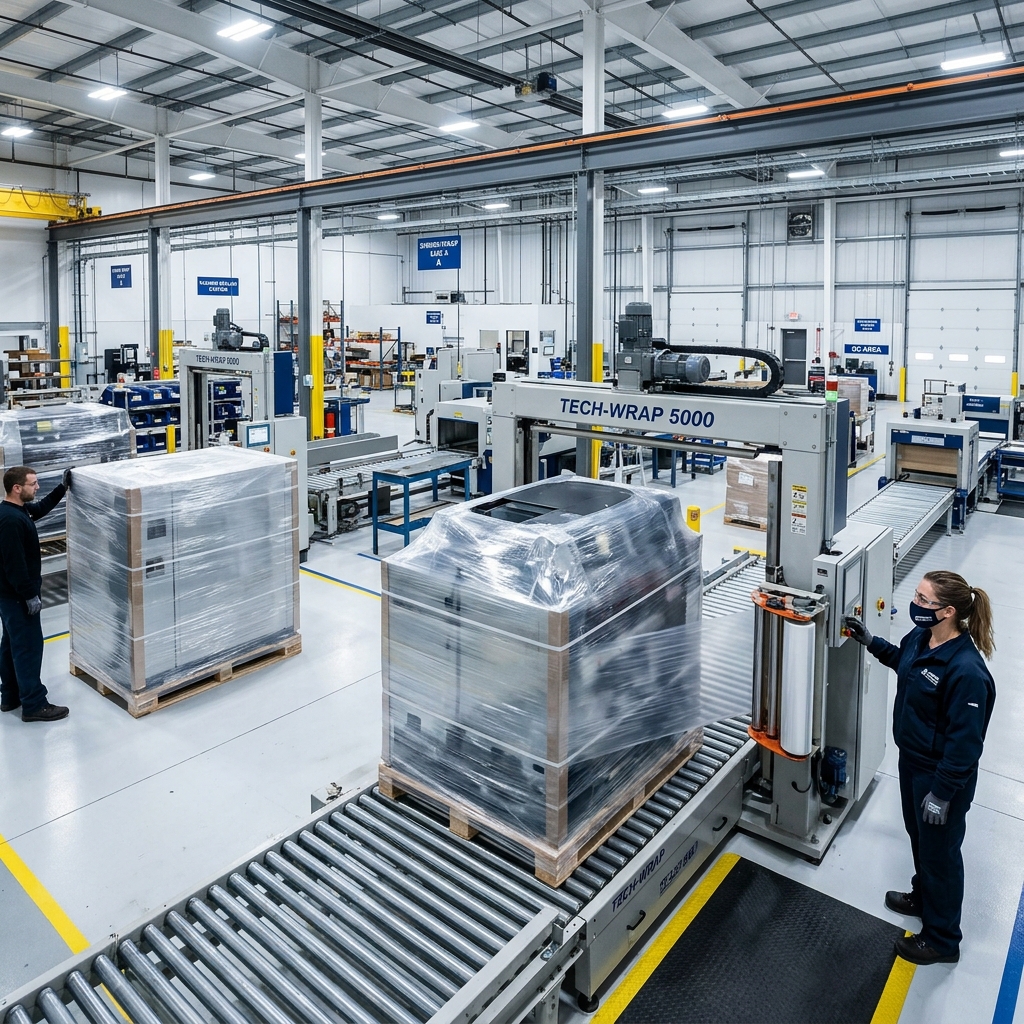
Shrink wrapping and stretch wrapping are two distinct film-wrapping technologies that serve different purposes in industrial packaging. While they may look similar to the untrained eye, they use different materials, different application methods, and provide different levels of protection. Choosing the wrong one wastes money and may leave your cargo inadequately protected.
Shrink Wrapping Explained
Shrink wrapping involves covering the item in a loose film and then applying heat (usually from a propane or electric heat gun) to shrink the film tightly around the product. The heat causes the polymer chains in the film to contract, creating a skin-tight, conforming wrap. The result is a rigid, tamper-evident seal that provides excellent weather protection, UV resistance, and a clean professional appearance.
Stretch Wrapping Explained
Stretch wrapping involves stretching an elastic film around the product under tension. The film natural elasticity holds it in place without heat. It is typically applied using rotating turntable machines for pallet loads. Stretch wrapping is faster and cheaper than shrink wrapping but provides less weather protection and a less rigid seal.
When to Use Each
Europack provides both shrink wrapping and stretch wrapping services. Our team assesses your specific requirements and recommends the optimal solution for protection, cost, and operational efficiency.