What is Seaworthy Packing? Complete Export Guide
Everything about seaworthy packing for international exports. Requirements, methods, materials, and compliance standards for safe ocean freight.
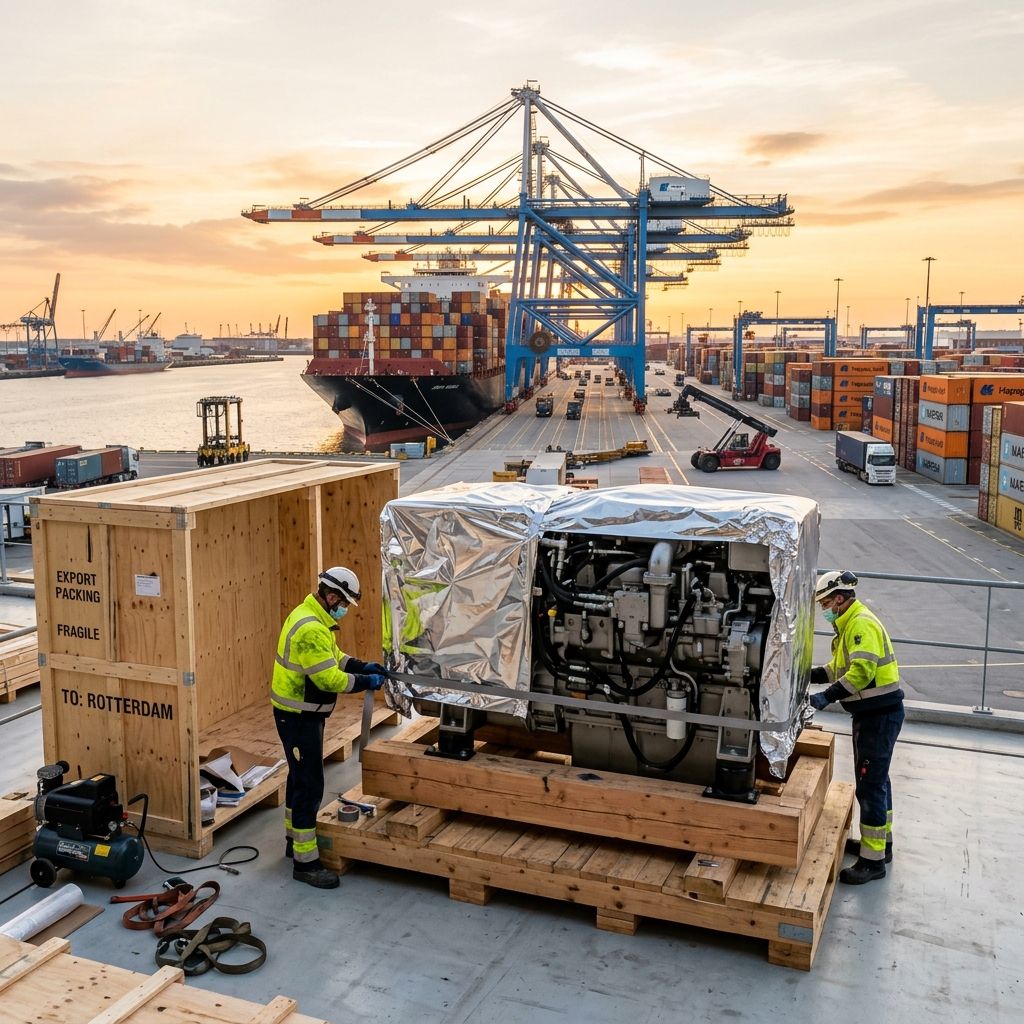
Seaworthy packing is the specialized process of protecting goods for ocean transport. Unlike domestic packaging, seaworthy packing must withstand the extreme conditions of sea freight: salt spray, humidity levels exceeding 90%, temperature swings from 0°C to 60°C inside containers, constant vibration, and acceleration forces that can reach 1.5G during storms. For Indian exporters shipping from JNPT and Mumbai ports, understanding seaworthy packing requirements is essential for preventing cargo damage and insurance claims.
The term "seaworthy" has legal significance. If your goods arrive damaged and the packaging is deemed not seaworthy, marine insurance claims can be rejected. Shipping lines may also refuse liability if packaging is inadequate. This makes proper seaworthy packing not just good practice but a legal and financial necessity.
Key Components of Seaworthy Packing
Structural Protection
The outer packaging must be strong enough to withstand stacking loads, handling impacts, and compression forces during container stuffing. For heavy items, this means ISPM-15 treated wooden crates or heavy-duty corrugated containers. The structure must also resist the tipping and tilting forces that occur during port handling.
Moisture Protection
Ocean containers experience dramatic temperature swings that cause "container rain" – condensation that drips onto cargo from the container ceiling and walls. Seaworthy packing must include moisture barriers such as aluminum foil bags, polyethylene wrapping, or VCI films that prevent this moisture from reaching the product.
Corrosion Prevention
Metal components and machinery are extremely vulnerable to corrosion during sea transit. The salt-laden, humid atmosphere inside a shipping container can corrode unprotected steel in as little as 48 hours. VCI (Volatile Corrosion Inhibitor) packaging creates a molecular barrier on metal surfaces that prevents oxidation for months or even years.
Securing and Lashing
Goods must be immobilized within their packaging and within the container. Internal securing prevents movement within the box. Container lashing secures boxes and pallets to the container structure. Both are critical for preventing damage from the pitching, rolling, and surging motions of a vessel at sea.
Seaworthy Packing Materials
Europack Seaworthy Packing Services
Europack provides complete seaworthy packing services from our Navi Mumbai facility, conveniently located near JNPT port. Our services include on-site assessment of your cargo, custom packaging design, ISPM-15 certified wooden crating, VCI and moisture barrier application, vacuum packing for sensitive equipment, container lashing and securing, and complete export documentation. We have packed goods destined for every continent and every climate zone, with a track record of zero-damage transit that our clients rely on.