Load Capacity of Wooden Pallets – How Much Weight Can They Handle?
Complete guide to wooden pallet load capacities. Static, dynamic, and racking loads explained with specifications for different pallet types and timber grades.
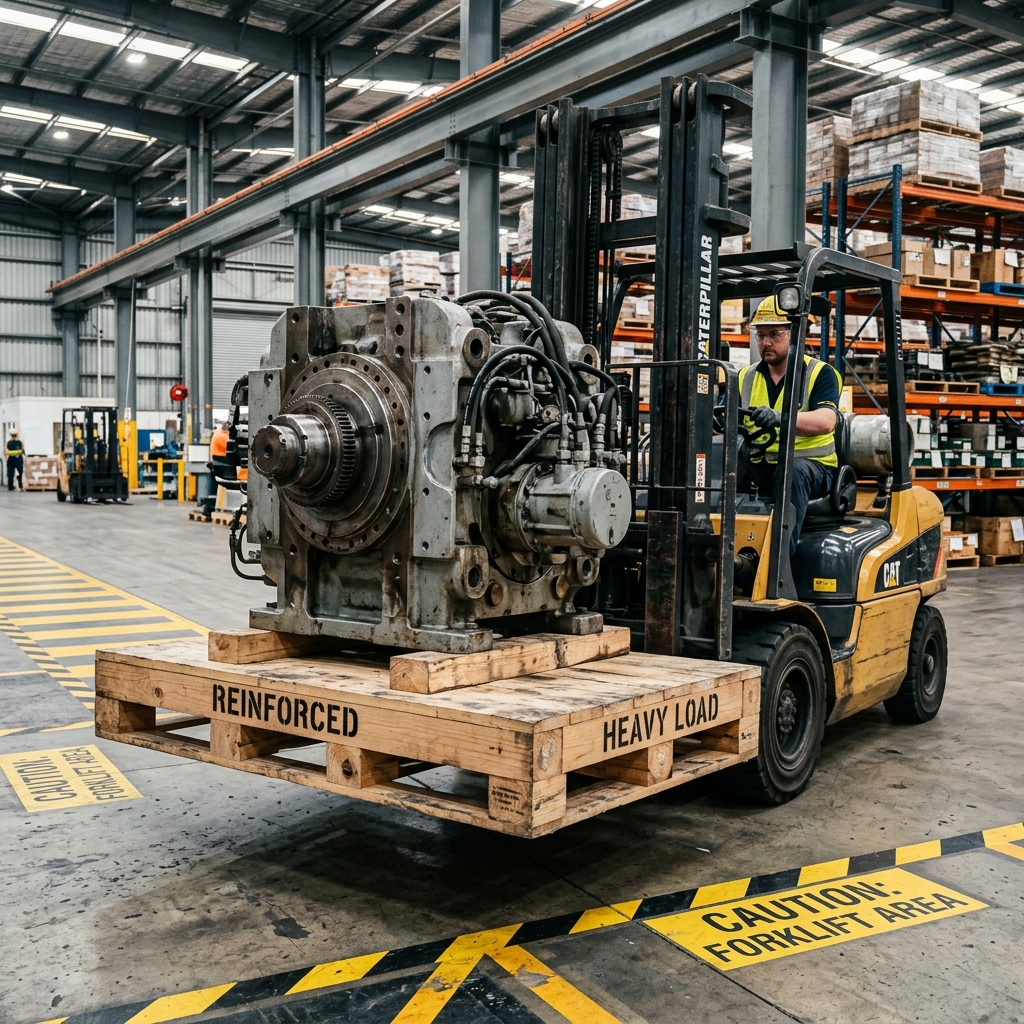
Understanding the load capacity of wooden pallets is critical for cargo safety, operational efficiency, and regulatory compliance. Overloading a pallet can lead to structural failure, damaged goods, workplace injuries, and significant financial losses. This guide explains the three types of pallet load ratings and helps you determine the right capacity for your specific needs.
Pallet load capacity is not a single number but rather three distinct ratings: static load capacity, dynamic load capacity, and racking load capacity. Each rating applies to a different handling scenario, and the same pallet can safely support vastly different weights depending on how it is being used. Every logistics manager should understand these distinctions.
The Three Types of Pallet Load Capacity
Static Load Capacity
Static load capacity is the maximum weight a pallet can support when resting on a flat, solid surface with no movement. This is the highest load rating because the weight is distributed evenly across the entire bottom surface of the pallet. Static conditions occur during storage on warehouse floors, stacking in yards, and stationary display. Standard softwood pallets typically have static load capacities of 2,000-3,000 kg, while hardwood pallets can handle 3,000-5,000+ kg.
Dynamic Load Capacity
Dynamic load capacity is the maximum weight a pallet can support while being lifted and moved by a forklift or pallet jack. This rating is lower than static because the load is concentrated on two lift points (forklift tines) rather than distributed across the entire base. Dynamic loads also involve vibration and lateral forces during movement. Standard softwood pallets rate at 1,000-1,500 kg dynamic, hardwood at 1,500-3,000 kg.
Racking Load Capacity
Racking load capacity is the maximum weight a pallet can support when sitting on racking beams with only its edges supported. This is the most stressful condition because the center of the pallet spans unsupported between the beams, creating maximum bending stress. Racking loads are typically 50-60% of the dynamic load rating. A pallet rated for 1,500 kg dynamic may only handle 750-900 kg in racking.
Load Capacity by Pallet Type
Factors That Affect Load Capacity
How to Determine Your Required Capacity
To specify the right pallet, calculate your total payload weight including the weight of the product, inner packaging materials, and any dunnage or bracing. Add a 20-30% safety margin above this weight. Then determine your most stressful handling scenario: if pallets will be racked, use the racking load rating as your reference, not the static or dynamic ratings. Finally, consider stack height. If pallets will be stacked 3-high in storage, the bottom pallet must support its own load plus the weight of two pallets above it.
At Europack, our engineering team can calculate the exact load requirements for your application and recommend the most cost-effective pallet design that meets your safety requirements. We also perform physical load testing on custom pallets to verify capacity before bulk production.